How a Donation Pickup Works
- You choose the items. Set aside the things that are clean, working and in good shape.
- You book the pickup. A charity may offer free pickup, or a junk removal company can include donation as part of a larger job.
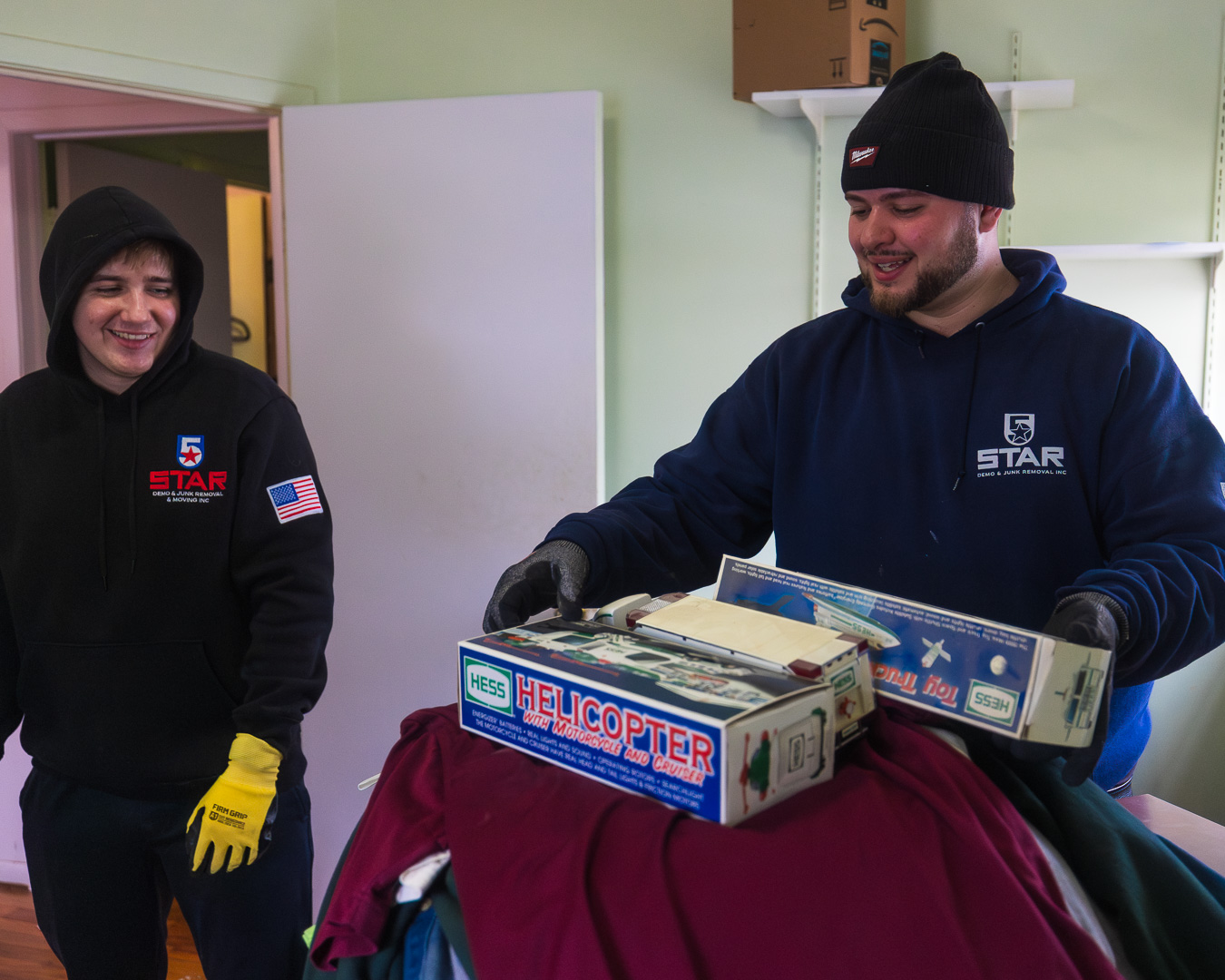
- The crew arrives and loads. You usually do not need to carry anything to the curb.
- Items go to a donation partner. What cannot be donated is recycled or disposed of properly.
What Can Be Donated?
- Furniture in good condition, such as couches, tables, chairs and dressers
- Working appliances
- Clothing, linens and household goods
- Books, toys and sports equipment
- Tools and home improvement materials
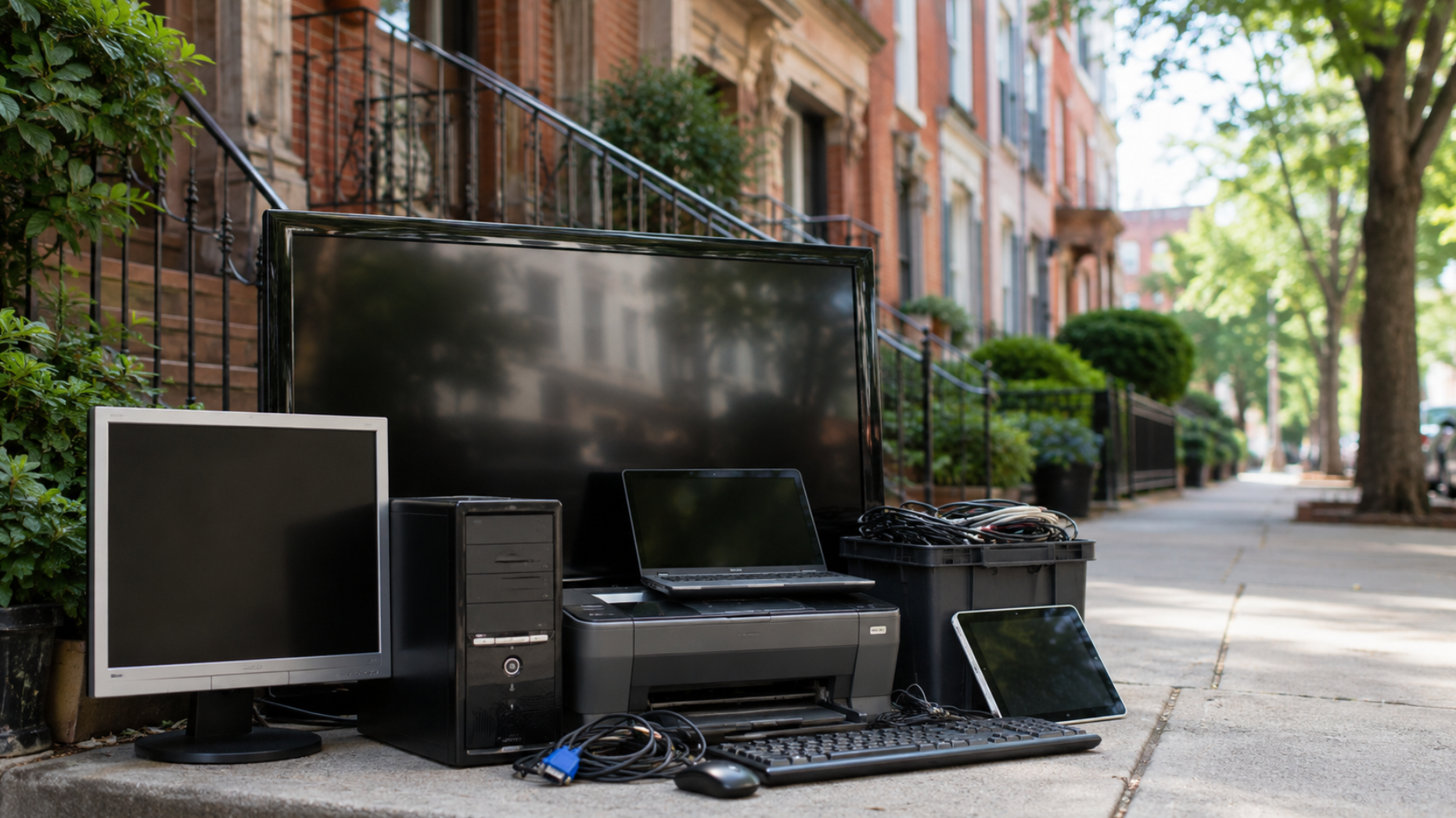
- Electronics that still work
Charities usually cannot accept items that are broken, stained, moldy or unsafe. Mattresses, cribs and car seats have extra restrictions, so always ask first.
Donation Pickup vs Junk Removal
The two services overlap but have different goals. A charity pickup focuses on items that are still useful and takes only what it can use. Junk removal takes almost anything, including broken furniture, trash and debris, and then sorts what can be donated or recycled. If you have a mix of good and bad items, a junk removal company can do both in one visit. Read our overview of junk removal services to see how that works.
How Donation Pickup Scheduling Works
Most donation pickup programs work by appointment. You request a pickup and choose a time window. A driver then confirms the route and the ETA with reminders and confirmations. Drivers plan routes around limited hours. Flexibility on the day keeps the cost per route low and avoids unnecessary trips. Busy schedules are the main reason people choose this convenient service. The process takes little effort and removes the stress of loading a car. Thrift stores and charities each run their own program. Check which kinds of donations a shop will accept before you book. Ask whether a category of items, such as large furniture, is allowed on the sales floor.
Preparing Your Items for Pickup
A few tips make the day easier. Put clothes, kitchenware, decorations and small electronics in boxes or bags. Move heavy pieces like refrigerators, washers and dryers near the porch or door. Dollies, straps and door jamb protectors help the team carry furniture and appliances out without damage. Keep paint, weapons, ammunition and other unsafe items out of the load. Write notes with the address, phone number and any instructions for the crew. Choose the option that fits your space and budget. Ask about the price in advance. A good solution saves time and money, and it gives quality items a second life in local homes.
Choosing a Donation Pickup Option
The donation pickup process is a multistep process. First you book the pickup. Next the crew arrives within the time window and loads your items. Last, the items go to the charity or thrift store. Each thrift store donation pickup option has its own rules, so compare the key benefits of each one. A free pickup saves you a trip. A paid pickup may offer a firmer time window and more flexibility for large loads. Many charities track average items per route and other key performance indicators, because inventory management matters to them. A donation box or bin at your curb can work for small loads. Large cleanouts are a better fit for a crew that can handle the whole job. Good service builds long-term loyalty, and it keeps useful items out of the landfill.
Why Donate Instead of Throwing Things Away?
- Less waste. The EPA ranks reuse above recycling and disposal because it saves materials and energy.
- Help for neighbors. Local charities supply furniture and household goods to families who need them.
- Tax benefits. Donations to qualified charities may be tax deductible. The IRS explains the rules, and you should keep a receipt.
- Less effort. A pickup means no loading and no trips.
Tips for a Smooth Donation Pickup
- Clean items and empty drawers, closets and appliances.
- Take photos and make a list for your records.
- Ask the charity what it accepts before scheduling.
- Move items to a garage or entryway, or tell the crew where they are.
- Get a donation receipt for tax purposes.
Donation Pickup Help on Long Island
If you are clearing out a home and want usable items to go to a good place, ask us about donation as part of your job. It works especially well for estate cleanouts, where families often have furniture and household goods worth passing on. See the towns we serve on our service areas page.
Frequently Asked Questions
Is a donation pickup free?
Some charities offer free pickups for qualifying items. Junk removal companies typically charge for the labor and the haul, even when items are donated.
Can I donate old furniture that is worn?
Light wear is usually fine, but damaged or stained furniture is often turned away.
What happens to items that cannot be donated?
They are recycled when possible or disposed of at an authorized facility.
Ready to Clear Out and Give Back?
Call 5 Star Demo and Junk Removal at (929) 310-5844 or visit our contact page to schedule a pickup.