What Counts as Construction Debris?
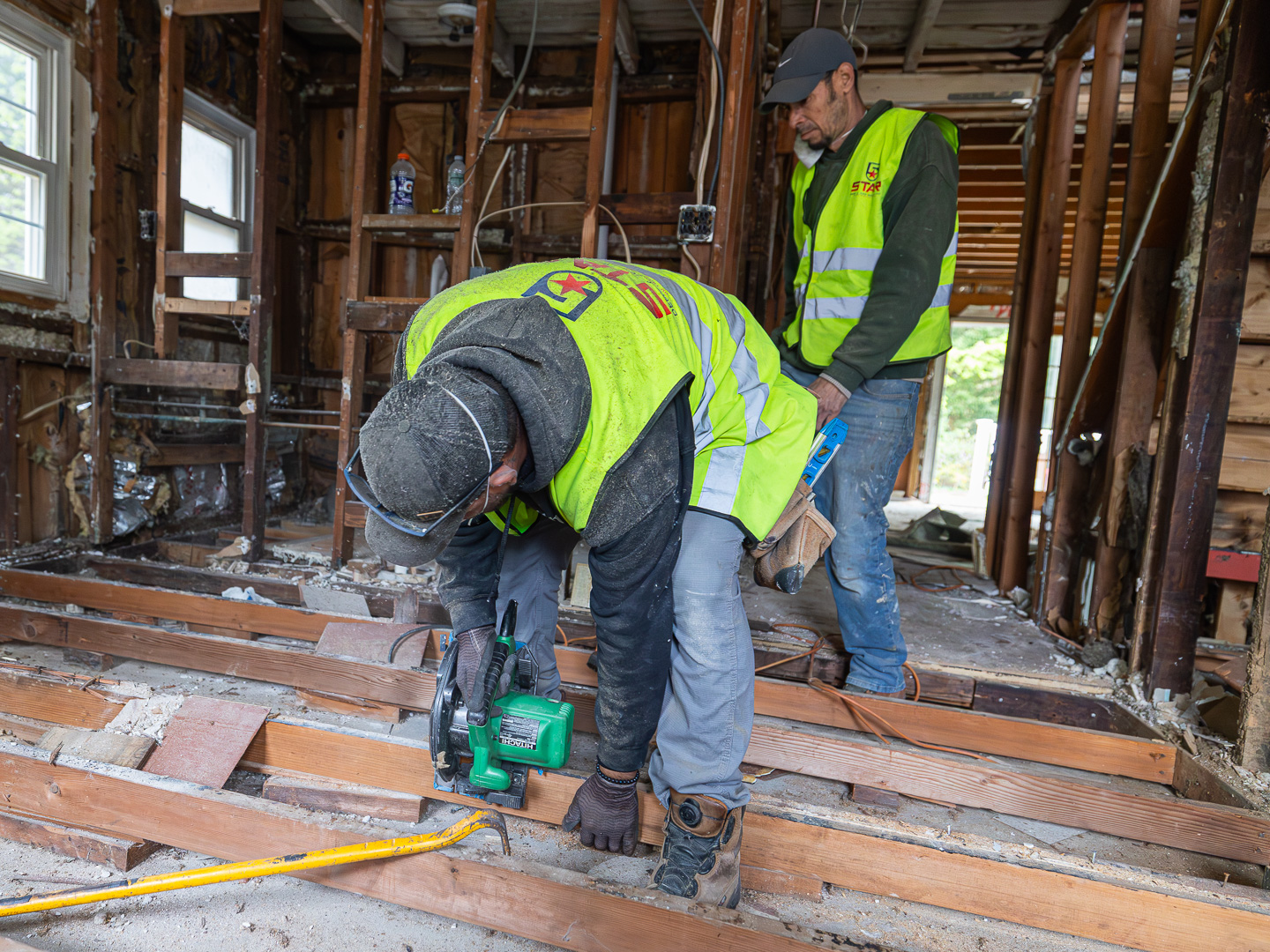
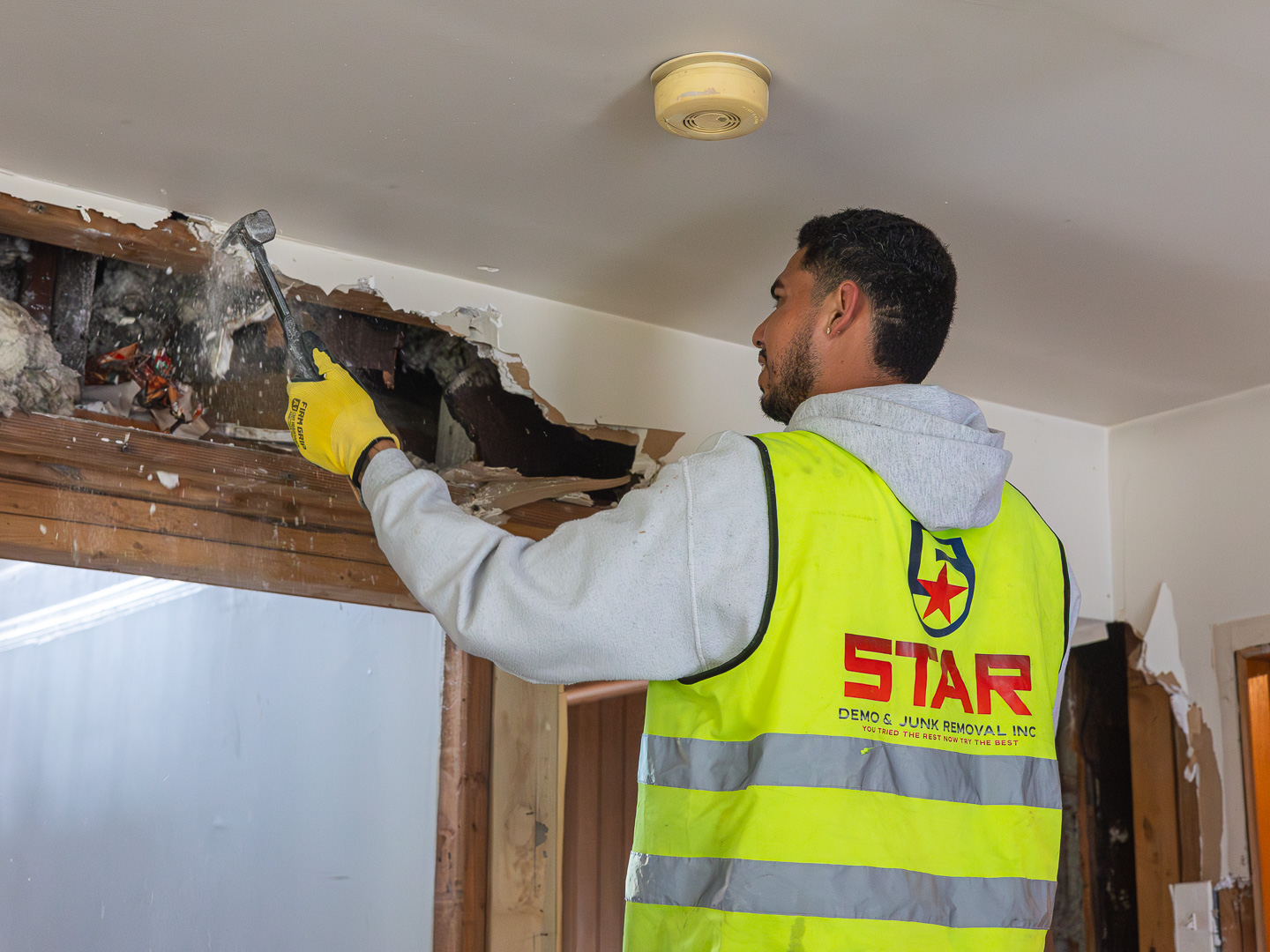
Construction debris is also called construction and demolition waste, or C&D waste. The U.S. Environmental Protection Agency uses that term for materials generated during construction, renovation and demolition. Typical examples include:
- Wood, framing lumber and plywood
- Drywall and plaster
- Brick, block, concrete and stone
- Roofing shingles and siding
- Flooring, carpet and tile
- Cabinets, doors and windows
- Metal, wiring and plumbing scrap
- Insulation and packaging materials
Why It Needs Its Own Kind of Removal
Construction debris is heavy, bulky and often sharp. A truck full of concrete weighs far more than a truck full of furniture. Some materials, such as older paint, asbestos containing products or treated lumber, may require special handling. Regular household trash pickup does not accept most of it, so the job calls for a hauler with the right trucks, crew and disposal arrangements.
Types of Debris and Hazardous Materials
Debris removal starts with sorting the types of debris on site. Common categories of waste materials include wood waste, concrete, metal, drywall and insulation. Demolition waste often mixes several types of material. Hazardous materials need separate handling under federal regulations. Treated wood, paint and some flooring are examples that need care. Proper documentation shows where each load went.
Recycling and Disposal Methods
Each type of debris has a disposal method. A recycling center or recycling facility accepts clean metal, concrete and wood waste. A transfer station sorts mixed loads before they go to a waste management facility. Efficient disposal saves money and keeps material out of the landfill. Some material for disposal can be turned into energy production. Ask your hauler which facility takes each load.
Containers and the Loading Process
On larger sites, the placement of collection containers matters. Roll-off containers hold heavy loads, and individual bags work for small jobs. The loading process should keep walkways clear. A loaded vehicle must follow weight rules, and the transportation of debris must meet local procedures. A private trash removal service can handle efficient collection from the demolition process through the final construction process cleanup.
How Construction Debris Removal Works
- Assessment. The hauler reviews what material there is, how much and where it is.
- Quote. The price is based on volume, weight and difficulty of access.
- Loading. The crew picks up and loads the debris, saving the contractor or owner the labor.
- Sorting. Where possible, metal, wood and concrete are separated for recycling.
- Disposal. The material goes to a licensed facility.
Dumpster Rental vs Hauling Service
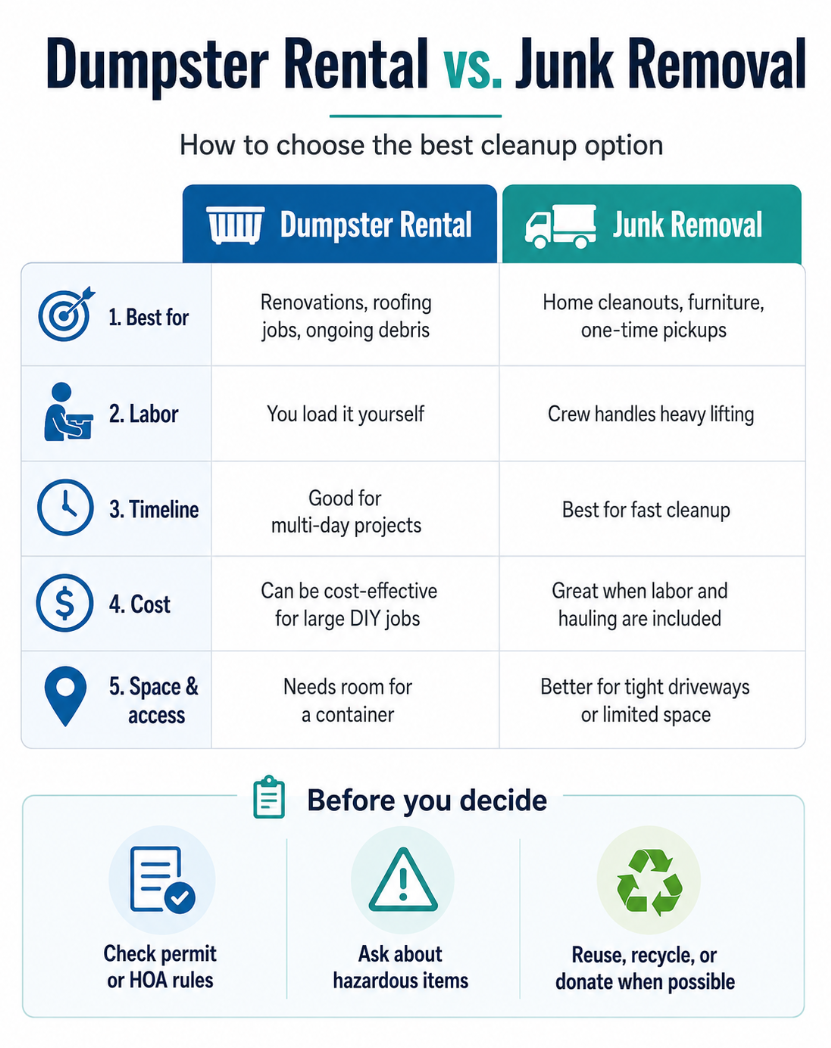
A dumpster rental sits on site and you load it yourself. A full service removal means the crew does the loading. Dumpsters can make sense for long projects, while hauling suits smaller jobs, tight driveways and sites where labor is the bigger problem. Our comparison of junk removal costs in Nassau County shows how hauling is priced.
Who Uses Construction Debris Removal?
- Contractors who need a site cleared between phases. See our page on construction debris removal for contractors on Long Island.
- Homeowners remodeling a kitchen, bathroom or basement.
- Landlords and property managers preparing a unit for new tenants.
- Anyone tearing out a shed, deck or fence, which our demolition services can handle.
Rules and Safety on Long Island
In New York, construction waste must go to authorized facilities. The New York State Department of Environmental Conservation regulates solid waste, and workers who handle debris should follow safety practices from OSHA. If you suspect asbestos or lead paint in an older home, have it tested before removing materials.
Questions About Construction Debris Removal
Is construction debris the same as junk?
Not exactly. Junk often means household items, while construction debris comes from building work. Many companies handle both.
Can construction debris be recycled?
Much of it can. Metal, concrete, clean wood and cardboard are commonly recycled.
How is it priced?
By the amount and weight of material and by how hard it is to reach.
Need Debris Hauled Away?
Call 5 Star Demo and Junk Removal at (929) 310-5844 or visit our contact page for a quote.